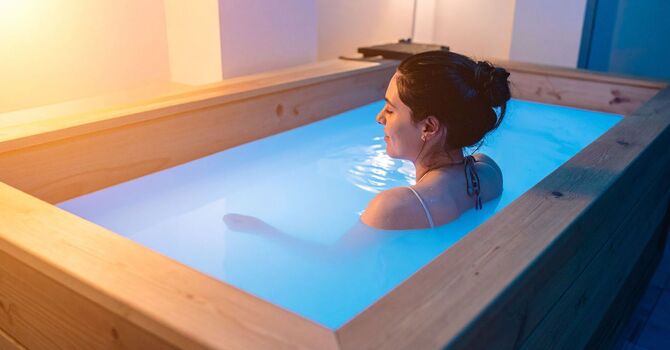
Most people meet the sauna and the cold plunge separately. One feels like a long exhale. The other feels like a slap of cold air to the face. Put them in the same visit, though, and you get something neither delivers alone. That pairing is called contrast therapy, and combining a sauna and cold plunge has become one of the most popular ways to recover at RCVRY Room in Concord, ON.
We have already covered what each tool does on its own in our posts on infrared sauna benefits and cold plunge therapy. This guide picks up where those leave off. You will learn why the pairing works, which one to start with, how to structure your rounds, and how to adjust the combination to your goals.
What Is Contrast Therapy and Why Do Sauna and Cold Plunge Pair So Well?
Think of contrast therapy as a rhythm rather than a recipe. Heat asks your body to relax and open up. Cold asks it to tighten and wake up. Moving between the two gives your nervous system practice at switching gears, and learning to switch gears is a big part of what recovery really is.
The practical upside is that each side makes the other easier. A warm, loose body handles the first seconds of the plunge far better than a cold, tense one. And a short blast of cold makes the next round of heat feel deeper and more satisfying, which is why plenty of people call the second sauna round their favourite.
This is also why a cold plunge and sauna routine tends to feel more complete than either one alone. You are not just stacking two treatments. You are using one to set up the other.
Contrast Therapy Benefits: What the Research Actually Says
It helps to be honest about the evidence. A systematic review and meta-analysis published in PLOS ONE (Bieuzen and colleagues, 2013) found that contrast water therapy reduced muscle soreness compared with simply resting. It was not clearly better than other recovery methods, though. Most of that research also used hot and cold water rather than infrared heat.
So the benefits of cold plunge and sauna together are best described as promising and low risk, not magic. Many people find the combination helps them feel looser, calmer and ready to train again. Treat it as a smart recovery habit and let your own results guide how much you lean on it.
Which Comes First: The Sauna or the Cold Plunge?
Start with the sauna and finish with the cold plunge. That is the standard order for contrast therapy, and it works for a simple reason. The heat warms your muscles and settles your breathing, so you step into the cold with less resistance. The cold then closes the session with a clear, alert finish.
Some people prefer to end on warmth, especially in the evening when they want to wind down. That is a perfectly reasonable choice, and nothing says you must follow one order forever. Try both across a few visits and pay attention to how you feel an hour later, and again the next morning. Your energy, your sleep and your soreness are the best feedback you will get.
If you are new to either side, ease in. Start with a shorter plunge than you think you need. You can always add a round next time.
A Simple Sauna and Cold Plunge Round to Try
Here is a beginner-friendly template. Treat the times as a starting point and adjust them with your team.
- Infrared sauna for 10 to 15 minutes
- Cold plunge for 1 to 2 minutes
- Sit and breathe for 2 to 3 minutes before the next round
- Repeat for 2 to 3 rounds in total
- Finish with compression therapy or a few minutes of easy breathing before you head out
Notice that the sauna rounds are shorter than a standalone session. Because you are moving back and forth, you do not need to chase a long sweat each time. Drink water before and after, skip alcohol beforehand, and plan on the whole visit taking about an hour.
How to Match Contrast Therapy to Your Goal
The same two tools can serve very different goals, so tweak the formula to fit yours.
After a hard endurance or team sport session, run the full routine and end on cold. This is the classic recovery use, and it fits well alongside sports injury rehab.
If you lift for strength or size, be more strategic. A 2015 study in The Journal of Physiology (Roberts and colleagues) found that regular cold water immersion right after strength training blunted muscle gains over twelve weeks. That does not put the plunge off limits. It means you may want to save contrast sessions for non-lifting days, or leave several hours between your workout and the cold.
If you want stress relief or better sleep, lean into the heat. Longer sauna rounds, shorter plunges and slow breathing in between make for a calm session. If the cold leaves you feeling wired, book earlier in the day.
If you are returning from an injury, talk to us before combining them. Heat is not always a good idea on a fresh, swollen injury, and the right plan depends on where you are in healing.
What a Week of Contrast Therapy Might Look Like
Say you train four days a week and lift on Monday and Thursday. You might book a full sauna and cold plunge session on Wednesday and Saturday, away from your lifting days, then add a lighter two-round visit on Sunday if you feel stiff.
A runner or hockey player might do the opposite. A session the evening after a weekend game, plus one midweek, keeps soreness from piling up. Either way, keep the plan flexible and let how your body feels set the pace.
Sauna vs Cold Plunge: Do You Need Both?
If you can only pick one, the answer depends on what you are trying to fix. The sauna tends to suit general tension, tight muscles and winding down. The cold plunge is often the better pick for sharp post-workout soreness and mental alertness.
When people ask us about sauna vs cold plunge, they often try both in one visit and keep the combination. It also means one booking covers more ground, which helps when you are building a routine you can actually stick with. Consistency beats intensity.
Common Mistakes to Avoid
A few easy fixes make your first contrast sessions go better:
- Staying in too long. Shorter rounds done well beat one heroic round.
- Rushing the transition. Sit, breathe and let your heart rate settle before the next round.
- Standing up fast. Move slowly after the sauna to avoid lightheadedness.
- Skipping hydration. Switching between heat and cold costs you more fluid than you might expect.
- Ignoring your body. Dizziness, numbness or chest discomfort means stop and tell our team.
Moving between heat and cold in quick succession also asks more of your cardiovascular system than either one alone. If you have high blood pressure or a heart condition, or you are pregnant, check with your healthcare provider first.
Build Your Contrast Therapy Routine at RCVRY Room
At RCVRY Room in Concord, ON, serving Vaughan and the surrounding area, the infrared sauna and cold plunge are part of the same recovery circuit, alongside compression therapy and other tools. Our team can help you choose round lengths, plan around your training week and adjust as you get comfortable.
Ready to try sauna and cold plunge contrast therapy for yourself? Book a session at RCVRY Room and we will help you set up your first rounds.